

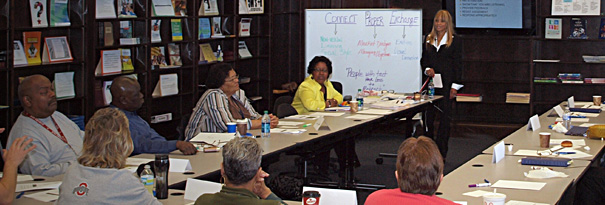
The Intersection of Education and Guardianship in the District of Columbia
The Intersection of Education and Guardianship in the District of Columbia
Guardianship and education are two pillars that shape the lives of children, especially in a vibrant and diverse area like the District of Columbia. Parents and guardians often find themselves navigating a complex landscape where educational rights intersect with legal responsibilities. Understanding how these elements work together is essential for anyone involved in a child’s upbringing.
Understanding Guardianship in D.C.
Guardianship in the District of Columbia is a legal relationship where one individual is given the authority to care for another, often a minor. This arrangement is important when parents cannot fulfill their roles due to various circumstances, such as illness, absence, or incapacity. The court typically appoints guardians, giving them the responsibility to make decisions about the child’s welfare, education, and health care.
In D.C., there are different types of guardianship: guardian of the person and guardian of the estate. The former pertains to personal care and decision-making, while the latter involves managing the child’s financial matters. Understanding these distinctions is vital for guardians to effectively manage their responsibilities.
The Role of Education in Guardianship
Education is a fundamental right for all children, and guardians play a pivotal role in ensuring that this right is upheld. In D.C., guardians have the authority to enroll children in schools, make decisions regarding educational programs, and advocate for their educational needs. This authority can significantly impact a child’s academic journey and overall development.
For instance, if a guardian decides to enroll a child in a specialized educational program, they must be informed about the child’s unique needs and how best to support them. This knowledge empowers guardians to advocate effectively within the educational system.
Legal Framework for Educational Decisions
Guardians in D.C. must operate within a framework of laws that protect the rights of children. The Individuals with Disabilities Education Act (IDEA) is one such law that outlines the rights of children with disabilities to receive appropriate educational services. Guardians must be aware of this legislation to ensure their children receive the support they need.
Moreover, the D.C. Public Schools and the charter school system offer various resources to assist guardians in making informed decisions. Familiarity with these resources can aid guardians in advocating for their child’s educational success.
Challenges Guardians Face in Education
Guardians often encounter numerous challenges when it comes to their child’s education. One of the most pressing issues is navigating the bureaucratic landscape of public and charter schools. Understanding enrollment processes, special education rights, and available programs can be overwhelming.
Additionally, guardians may face obstacles related to communication with educators and school administrators. Building relationships with teachers and school staff is essential for ensuring that a child’s educational needs are met. Guardians must be proactive in establishing these connections to facilitate their child’s academic progress.
Practical Steps for Guardians
Here are some practical steps guardians can take to support their child’s education:
- Stay informed about local education laws and policies.
- Attend school meetings and parent-teacher conferences regularly.
- Advocate for appropriate educational resources and support services.
- build open communication with teachers and school staff.
- Seek out additional educational resources, such as tutoring or special programs.
These steps can empower guardians to be effective advocates for their children, enhancing their educational experience.
Resources for Guardians
Many resources are available to support guardians in their journey. The D.C. Child and Family Services Agency provides guidance on guardianship processes and educational rights. Additionally, various nonprofit organizations focus on supporting guardians and caregivers, offering workshops and informational materials.
For those managing educational decisions in Connecticut, resources like how to fill out Connecticut child power of attorney pdf can be invaluable. Understanding these resources can make navigating the educational system more manageable.
Advocacy and Community Support
Advocacy groups play a significant role in supporting guardians and ensuring that children’s rights are upheld within the education system. Getting involved with local advocacy organizations can provide guardians with additional support and resources. These groups often offer training sessions, networking opportunities, and access to legal assistance.
Community support is equally important. Building a network of fellow guardians can provide emotional support and practical advice. Sharing experiences and strategies can empower guardians to tackle challenges more effectively.

Теги
Архивы
- Может 2026
- апрель 2026
- Маршировать 2026
- февраль 2026
- Январь 2026
- Декабрь 2025
- ноябрь 2025
- Октябрь 2025
- Сентябрь 2025
- Август 2025
- Июль 2025
- Июнь 2025
- Может 2025
- апрель 2025
- Маршировать 2025
- февраль 2025
- Январь 2025
- Декабрь 2024
- ноябрь 2024
- Октябрь 2024
- Август 2024
- Июль 2024
- Июнь 2024
- Может 2024
- апрель 2024
- Маршировать 2024
- февраль 2024
- Январь 2024
- Октябрь 2023
- Сентябрь 2023
- Август 2023
- Июль 2023
- Июнь 2023
- Может 2023
- апрель 2023
- Маршировать 2023
- февраль 2023
- Январь 2023
- Декабрь 2022
- ноябрь 2022
- Октябрь 2022
- Сентябрь 2022
- Июль 2022
- Июнь 2022
- Может 2022
- апрель 2022
- Маршировать 2022
- февраль 2022
- Январь 2022
- ноябрь 2021
- Октябрь 2021
- Сентябрь 2021
- Август 2021
- Июль 2021
- Может 2021
- ноябрь 2019
- Декабрь 2018
- Январь 2017
- Январь 2016
- Август 2012
- Июль 2012