

Strategies to Prepare Your Family for Estate Management
Strategies to Prepare Your Family for Estate Management
Estate management is not just about creating a will; it’s about ensuring that your family is prepared for the complexities of managing your estate after you’re gone. Many people overlook the importance of communication and education in this process. It’s vital to have open discussions with family members. They need to understand your wishes and the importance of estate planning. Here are some strategies to help your family manage this important aspect of life.
Understand the Basics of Estate Management
Before diving into the specifics, it’s essential to grasp the fundamental concepts of estate management. At its core, estate management involves the handling of all your assets, liabilities, and final wishes. Think of it as creating a roadmap for your family to follow. This roadmap includes your financial accounts, properties, investments, and any debts you may have. Understanding these elements can help your family significantly when the time comes.
Communicate Openly with Your Family
Communication is key. Have candid conversations about your estate plans. Discuss your wishes, the importance of various documents like wills and trusts, and how you envision the distribution of your assets. Many people shy away from these discussions, believing they may cause discomfort. Sin embargo, addressing these topics openly can alleviate confusion and stress later on.
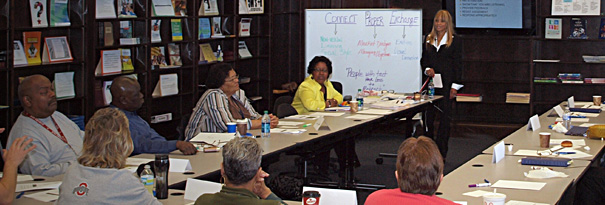
Make it a family meeting. Gather everyone together to talk about estate management. Ensure that all family members understand their roles and responsibilities. This transparency can help prevent disputes and misunderstandings down the line.
Educate Your Family on Estate Planning Tools
There are various tools available to help manage an estate effectively. Wills, trusts, and transfer-on-death deeds are just a few examples. Each serves a different purpose and can simplify the process for your family. Por ejemplo, a transfer-on-death deed allows your property to pass directly to your beneficiaries, avoiding probate. If you have questions about todd template, it’s worth researching how this can benefit your estate planning.
Encourage your family to familiarize themselves with these tools. Understanding their function and implications can empower them to make informed decisions in your absence.
Document Everything Clearly
Documentation is paramount in estate management. Ensure all your important documents are organized and accessible. This includes your will, trusts, bank accounts, and insurance policies. Use a clear labeling system. Consider creating a document that lists where everything is kept, along with necessary contact information for your attorney or financial advisor.
Regularly review and update these documents. Life changes—such as marriage, divorce, or the birth of a child—may require adjustments to your estate plan.
Establish a Trust
Trusts can provide significant benefits in estate management, particularly when it comes to avoiding probate and managing assets for minor children. By placing your assets in a trust, you can specify how and when your beneficiaries receive them. This arrangement can protect your heirs from potential financial pitfalls.
Consider discussing the benefits of establishing a trust with your family. They may appreciate the financial security it can offer and the control it provides over asset distribution.
Plan for the Unexpected
No one likes to think about it, but planning for unexpected events is important. This includes having a plan for incapacity or sudden illness. Designate a power of attorney to make decisions on your behalf if you can’t. Similarmente, a healthcare proxy can ensure your medical wishes are honored.
Encourage your family to think about their own planning. It’s not just about managing your estate; it’s about preparing them for their future as well.
Utilize Professional Help
Don’t hesitate to seek professional assistance. Estate planning attorneys and financial advisors offer valuable expertise that can save your family time and money. They can help draft documents, explain tax implications, and ensure everything aligns with state laws.
Investing in professional help is often worth it. Your family will appreciate the clarity and guidance it provides during a difficult time.
Review and Update Your Plans Regularly
Estate planning isn’t a one-time event. Life circumstances change, and so should your estate plan. Schedule regular reviews, ideally every few years or after significant life events. This practice ensures that your wishes remain current and that your family is prepared for any eventuality.
Encourage your family to stay involved in this process. Their insights can help shape a plan that reflects everyone’s needs and desires.
By taking these proactive steps, you can equip your family with the knowledge and tools they need to manage your estate effectively. Open communication, thorough documentation, and professional guidance are key components in ensuring a smooth transition during a challenging time.

Etiquetas
Archivos
- Junio 2026
- Puede 2026
- Abril 2026
- Marzo 2026
- Febrero 2026
- Enero 2026
- diciembre 2025
- noviembre 2025
- Octubre 2025
- Septiembre 2025
- Agosto 2025
- Julio 2025
- Junio 2025
- Puede 2025
- Abril 2025
- Marzo 2025
- Febrero 2025
- Enero 2025
- diciembre 2024
- noviembre 2024
- Octubre 2024
- Agosto 2024
- Julio 2024
- Junio 2024
- Puede 2024
- Abril 2024
- Marzo 2024
- Febrero 2024
- Enero 2024
- Octubre 2023
- Septiembre 2023
- Agosto 2023
- Julio 2023
- Junio 2023
- Puede 2023
- Abril 2023
- Marzo 2023
- Febrero 2023
- Enero 2023
- diciembre 2022
- noviembre 2022
- Octubre 2022
- Septiembre 2022
- Julio 2022
- Junio 2022
- Puede 2022
- Abril 2022
- Marzo 2022
- Febrero 2022
- Enero 2022
- noviembre 2021
- Octubre 2021
- Septiembre 2021
- Agosto 2021
- Julio 2021
- Puede 2021
- noviembre 2019
- diciembre 2018
- noviembre 2018
- Octubre 2018
- Septiembre 2018
- Agosto 2018
- Julio 2018
- Junio 2018
- Puede 2018
- Abril 2018
- Marzo 2018
- Febrero 2018
- Enero 2018
- diciembre 2017
- noviembre 2017
- Octubre 2017
- Septiembre 2017
- Agosto 2017
- Julio 2017
- Junio 2017
- Puede 2017
- Abril 2017
- Marzo 2017
- Febrero 2017
- Enero 2017
- diciembre 2016
- noviembre 2016
- Octubre 2016
- Septiembre 2016
- Agosto 2016
- Julio 2016
- Junio 2016
- Puede 2016
- Abril 2016
- Marzo 2016
- Febrero 2016
- Enero 2016
- diciembre 2015
- noviembre 2015
- Octubre 2015
- Septiembre 2015
- Agosto 2015
- Junio 2015
- Puede 2015
- Abril 2015
- Marzo 2015
- Febrero 2015
- Enero 2015
- Agosto 2012
- Julio 2012